Read how a component manufacturer resolved vexing issues with a multi-functional solution from Laird.
SRR System
Adopts All-in-One Solution to Component Shielding, EMI Mitigation Issues
BACKGROUND
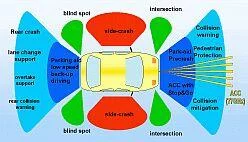
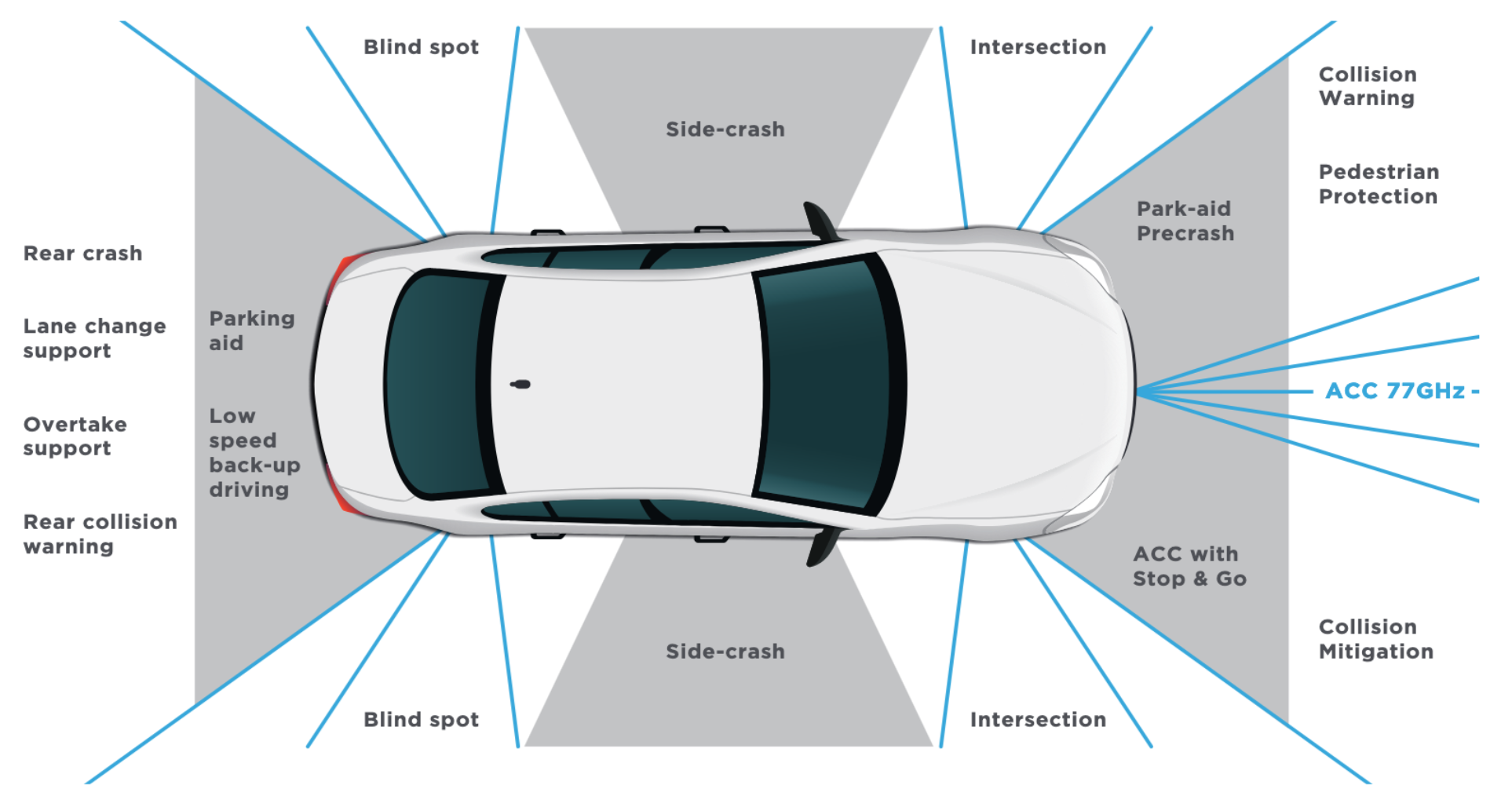
Automotive short-range radar (SRR) are radar systems detecting possible impacts. They feature multiple radars for pre-crash sensing, blind spot detection, obstacle detection, parking assistance and more. As SRR designs evolve, the need to integrate many systems into one and within limited space exacerbates crosstalk among frequency bands. SRR design engineers can face rising yet dissimilar EMI issues within ever smaller spaces, each requiring different solutions.
CASEBOOK SITUATION
In one case, a 24GHz SRR manufacturer faced high reliability against temperature extreme standards. Yet its design engineering team was challenged on several additional fronts. There was a 0.08mm coplanarity requirement, a zero-defect requirement and the need for high tolerance control. However, in seeking to meet those requirements while producing a smooth-functioning SRR system, the team grew frustrated. It could not find a means to eliminate or lessen excessive crosstalk between two cavities and resonance from the 24GHz antenna signal.
RESOLUTION
Industry research and competing system analysis led the SRR manufacturer to Laird Performance Materials. Builder of a global portfolio of integrated, space-saving multifunctional solutions for component design engineers, Laird was a leader in commercial development of the material sciences. One key leading to the final selection of Laird was its ability to offer multiple SRR support products delivering temperature dependence from -40C to +125C. Another was full technical support. The third reason was Laird’s ability to quickly identify a fully capable reliability testing resource, tap into that talent, and support customer needs.
IMPLEMENTATION
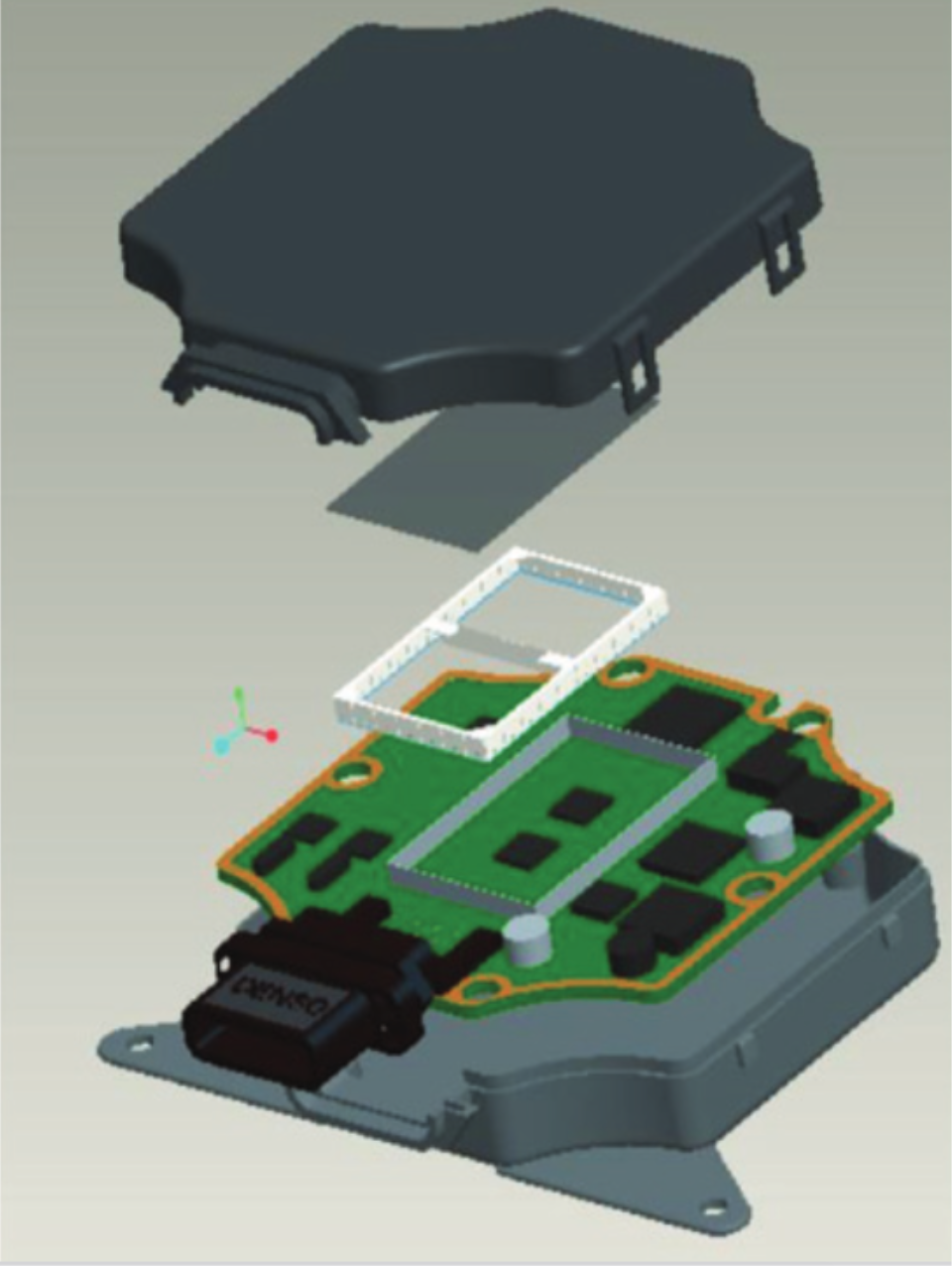
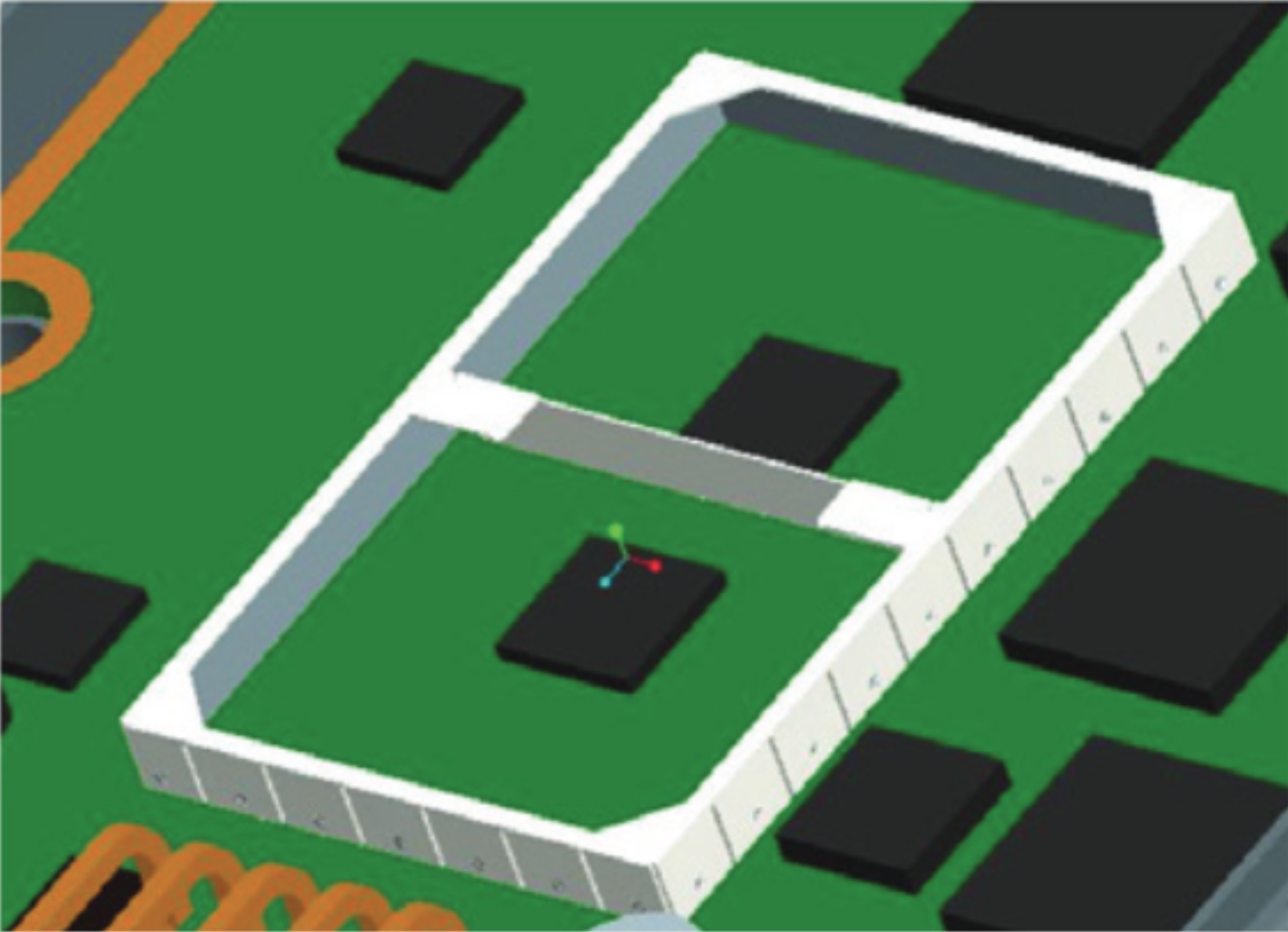
Following months of design evaluation and testing, Laird proposed and the manufacturer accepted a two-part solution to system crosstalk. A custom designed Laird board level shield would be added to the bill of materials to shield the monolithic microwave integrated circuit (MMIC) device’s transmission as well as the phase shifter IC. Simultaneously and to conserve space, Laird’s Eccosorb GDS RF/microwave absorber would be combined with the Laird board level shield and serve to mitigate cavity resonance and crosstalk.
RESULTS
Today, the customer continues to express satisfaction with the board level shielding effectiveness of its MMIC and phase shifter IC, as well as the inclusion of the absorber material into the single multi-functional solution design. Combined the two Laird products have significantly mitigated cavity resonance and crosstalk. The degree of customer trust in Laird is evidenced by the fact the companies will collaborate in next generation SRR designs.
FUTURE NOTE: If MMIC power continues to increase, wholly new thermal issues will grow and will affect performance of upgraded versions of entire SRR systems. Early phase studies will be necessary to develop a suitable multi-functional, EMI and thermal solution and one which can assure a high level of wave transmission efficiency